
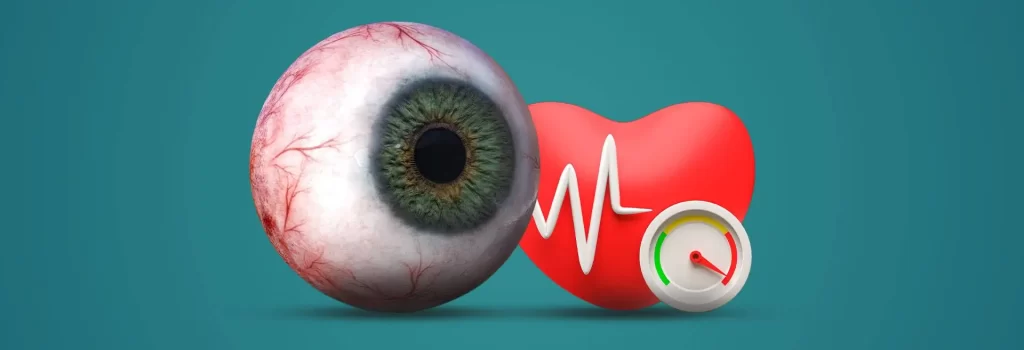
High blood pressure, also known as hypertension, is a medical condition characterized by elevated blood pressure in the arteries, which are the blood vessels that carry oxygenated blood from the heart to other parts of the body. While normal blood pressure is typically around 120/80 mm Hg, blood pressure is considered high if the reading is consistently at or exceeds 130/80 mm Hg.
Common risk factors that can contribute to the development of hypertension include:
- Genetics, age, obesity, and pregnancy
- Certain medications such as birth control pills, cold remedies, and pain relievers
- Underlying medical conditions such as diabetes, kidney disease, or sleep apnea
- Poor lifestyle choices such as smoking and excessive alcohol consumption, leading a sedentary lifestyle, and consuming a high-sodium diet
It is important to identify the underlying causes of high blood pressure in order to effectively treat and manage the condition. If left untreated or uncontrolled, high blood pressure can strain the arteries, heart, and other organs, increasing the risk of medical conditions such as heart disease, stroke, kidney disease, and vision problems.
How does high blood pressure affect the eyes and vision?
In hypertension, the force of the blood against the artery walls is too high. This can negatively affect the blood vessels throughout the body, including the tiny, delicate blood vessels that supply the eyes. Certain temporary vision changes such as blurry vision or seeing floaters (small specks or cobweb-like shapes floating in the field of vision) can subside when blood pressure is controlled. However, when subjected to the long-term effects of high blood pressure, the following permanent vision conditions can develop in the eye:
- Hypertensive Retinopathy – Increased blood pressure can damage the blood vessels in the retina, which is the light-sensitive tissue at the back of the eye. The small blood vessels may narrow, thicken, or develop leaks which can damage the retina and impact vision. Symptoms include vision changes, blurred vision, difficulty seeing in low light, or even complete loss of vision if the damage is severe. Having diabetes along with high blood pressure can increase the risk of retinopathy.
- Retinal Vein Occlusion – Uncontrolled high blood pressure can increase the risk of a blood clot or obstruction forming in the retinal veins. This can impede proper blood flow in the retina or cause the veins to swell and leak blood and fluids into the retina. These areas of swelling and bleeding can damage the cells of the retina and affect vision in varying degrees of severity based on where the blockage has occurred and the percentage of blood flow that is obstructed. If the leakage is in the macula (central part of the retina), vision loss is marked. Eventually, without proper blood circulation, the retinal cells can die, which can permanently damage your vision.
- Optic Neuropathy – Severe and uncontrolled hypertension can damage the blood vessels supplying the optic nerve, which transmits visual information from the eye to the brain. Reduced blood flow and oxygen supply to the nerve can cause it to become swollen and lead to sudden, painless loss of vision in one or both eyes. The vision loss associated with hypertensive optic neuropathy can vary in severity, ranging from mild to severe, and it may affect central or peripheral vision. Other symptoms can include blurred vision, changes in colour vision, or visual field defects.
- Choroidopathy – The choroid, which is the layer of blood vessels located between the retina and the sclera (the white part of the eye) can get damaged due to uncontrolled high blood pressure. Impaired blood flow to the choroid and fluid build-up between the layers of the choroid can result in blurred vision, visual distortions, changes in colour vision, or central vision loss.
- Increased Risk of Other Eye Conditions – High blood pressure is associated with an increased risk of developing other eye conditions such as macular degeneration, glaucoma, and diabetic retinopathy.
Many eye conditions related to high blood pressure may not cause noticeable symptoms in the early stages. Regular eye exams are therefore essential for detecting and monitoring any potential eye problems associated with hypertension.
Conclusion
High blood pressure can have several negative effects on the eyes and can lead to serious vision complications. If you have a family history of high blood pressure or have been diagnosed with hypertension, it is crucial to monitor your blood pressure levels regularly and control it effectively under the supervision of a physician to reduce the risk of eye and other health complications. Consulting with an ophthalmologist is recommended to assess and address any eye-related concerns.